


Gum Treatment Crawley: When Bleeding Gums Need More Than a Hygienist Visit

If you are looking for gum treatment Crawley patients can access locally, bleeding gums are one of the most important signs not to ignore. A little blood when you brush or floss is often dismissed as “one of those things”, but healthy gums should not regularly bleed.
At Crawley Dental Clinic, we help patients understand whether they may simply need a hygienist visit or whether their symptoms suggest a deeper gum problem that could benefit from periodontal treatment. If your gums are swollen, sore, uncomfortable or bleeding repeatedly, a professional assessment is the safest next step.
Gum treatment Crawley: why bleeding gums should not be ignored
Bleeding gums are commonly linked with inflammation caused by plaque and hard deposits around the gum line. In some cases, the issue is caught early and improves with professional cleaning and better daily care. In other cases, the irritation goes deeper and the supporting tissues around the teeth need closer attention.
Symptoms that often bring people to us for gum care include:
Bleeding when brushing or cleaning between the teeth
Swollen, red or tender gums
Soreness when eating or brushing
Persistent bad breath or an unpleasant taste
Gums that seem to be shrinking back
Teeth that feel different when biting together
Not every case means advanced gum disease, but ongoing symptoms do mean it is sensible to get checked rather than wait and hope it settles on its own.
When a hygienist visit may be enough
A routine hygiene appointment is often the right first step when gum irritation appears to be linked mainly to plaque build-up and has been noticed early. Professional cleaning can remove deposits that are difficult to tackle at home, especially around the gum line and between the teeth.
Signs a hygienist appointment may be appropriate
Mild bleeding that has started recently
Visible plaque or staining near the gums
Tenderness without significant swelling or ongoing pain
A lapse in regular dental or hygiene visits
A daily cleaning routine that needs improving or updating
During dental hygienist care in Crawley, we can clean the areas you cannot easily reach at home, talk through brushing and interdental cleaning techniques, and advise on a maintenance plan designed around your mouth. For many patients, that combination is enough to improve mild inflammation and reduce bleeding.
What matters is not guessing. The right appointment is the one based on a proper examination of your gums rather than symptoms alone.
When a hygienist visit may not be enough
If inflammation has moved beyond the surface gums, a standard clean may not be the whole answer. This is where periodontal treatment may be recommended. Periodontal treatment focuses on managing gum disease more thoroughly, especially when the tissues supporting the teeth need more detailed care.
Signs you may need periodontal treatment
Bleeding that keeps coming back after brushing or flossing
Swollen gums that stay irritated rather than settling
Bad breath or a bad taste that persists
Gums that appear to be receding
Tenderness around certain teeth or areas of the mouth
Teeth that feel less secure or different when biting
Previous advice that you have gum disease or need deeper gum care
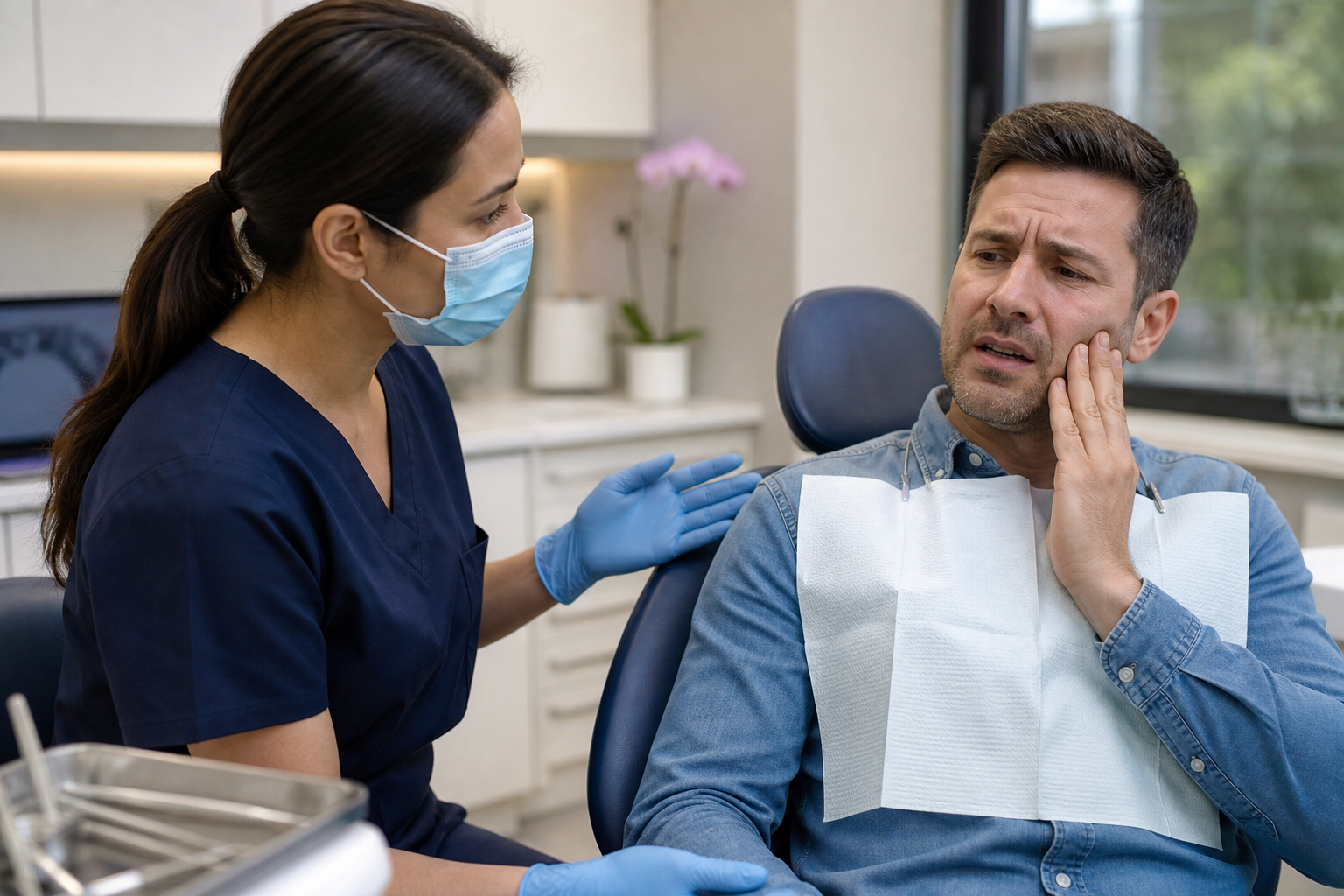
If you have sudden swelling, discharge, significant pain or facial swelling, it is important not to delay. We also offer emergency dental appointments for urgent concerns, and if breathing or swallowing is affected you should seek urgent medical help immediately.
What periodontal treatment may involve
Every patient is different, so treatment should match the severity and pattern of the problem. At Crawley Dental Clinic, the first step is understanding what is happening around your teeth and gums so we can recommend the most appropriate care.
1. A gum health assessment
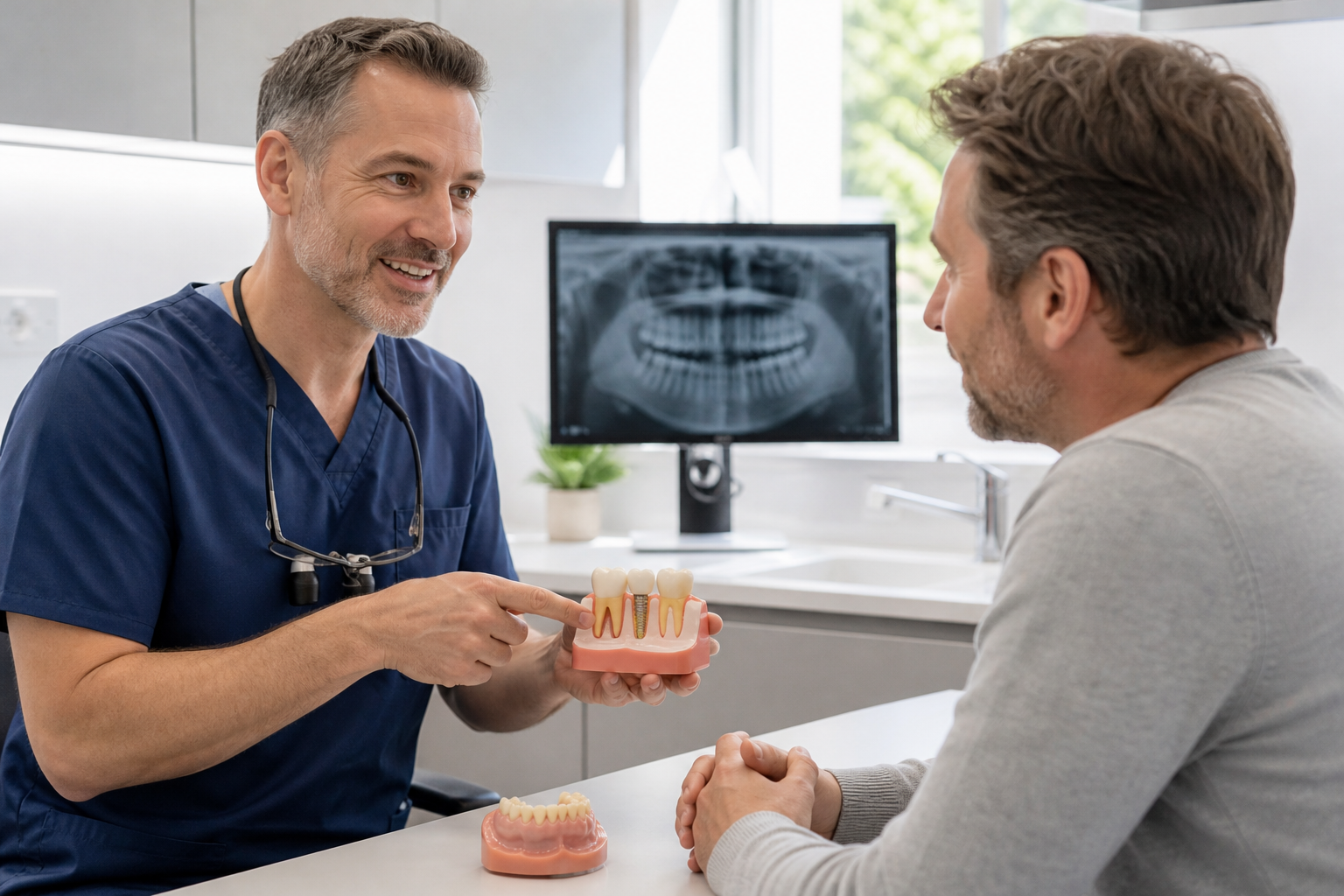
We look at the condition of your gums, the areas where bleeding is happening, and whether certain teeth or regions need closer attention. This helps us tell the difference between mild gum irritation and a problem that may need more involved treatment.
2. A tailored treatment plan
If a routine hygiene visit is appropriate, we will say so. If your gum health would benefit from more targeted care, we explain that clearly and talk you through the next steps in plain English.
3. Deeper professional cleaning where needed
Periodontal treatment may include more thorough cleaning around and below the gum line in affected areas. The aim is to reduce the build-up that contributes to inflammation and create a healthier environment for the gums.
4. Review appointments and maintenance
Gum problems are not always solved in a single visit. Some patients need monitoring and supportive care over time to keep inflammation under control and protect their long-term oral health.
5. Practical home-care advice
Your daily routine matters. We will show you how to clean effectively at home and help you understand which habits make the biggest difference between appointments. You can also explore gum treatment and preventative dental care through our clinic website.
Why early gum treatment matters
The earlier gum problems are identified, the easier they are usually to manage. When bleeding and inflammation are ignored, the problem can become more persistent and treatment may become more involved.
Early action can help you:
Reduce soreness and irritation sooner
Improve day-to-day comfort when brushing and eating
Address unpleasant taste or bad breath linked with gum problems
Protect the tissues that support your teeth
Understand exactly what care you need instead of relying on guesswork
Just as importantly, early treatment can be reassuring. Many patients put off booking because they are worried about what we might find. In reality, an assessment gives you clarity and a sensible plan.
What you can do at home while waiting for your appointment
Home care is important, but it is not a substitute for professional diagnosis. If your gums are bleeding regularly, book an appointment. In the meantime, these steps are sensible:
Brush twice a day carefully along the gum line
Clean between your teeth daily using the method advised for you
Do not stop cleaning because you see blood
Pay attention to any areas that stay sore, puffy or uncomfortable
Arrange a professional assessment if symptoms continue for more than a short period
Avoid trying to self-diagnose the severity of gum disease online. Bleeding gums can have more than one cause, and the right treatment depends on what we find clinically.
Why patients in Crawley come to our clinic for gum care
We provide high quality dentistry in a friendly environment from our practice at 158 Buckswood Drive, Crawley, RH11 8JF. For patients worried about bleeding or uncomfortable gums, that means local access to both hygienist services and periodontal treatment under one roof.
Established in 1952
Decades of dental practice experience
Dental hygienist services available
Gum treatments and periodontal treatment available
Experienced in caring for nervous patients
Emergency appointments available when symptoms are urgent
Evening and Saturday appointments available
Our role is to give you an honest assessment, explain your options clearly, and help you take action before a small problem becomes harder to manage.
Book a gum health assessment in Crawley
If your gums bleed when you brush, feel swollen, or simply do not feel right, it is time to get them checked. A hygienist visit may be enough, but if it is not, identifying the need for periodontal treatment early can make a real difference.
Contact Crawley Dental Clinic to arrange a gum health assessment and find out the most appropriate next step for your mouth. We are here to help you move forward with clarity, comfort and practical advice.
Frequently asked questions about gum treatment in Crawley
Do I need gum treatment if my gums bleed when I brush?
If your gums bleed regularly, it is sensible to book an appointment. Occasional irritation can happen, but repeated bleeding is a sign that your gums need professional attention.
What is the difference between a hygienist clean and periodontal treatment?
A hygienist clean is often suitable for surface plaque and early gum irritation. Periodontal treatment is typically recommended when the gum problem is deeper or more persistent and needs more targeted management.
Can bleeding gums go away on their own?
They can sometimes improve if the cause is mild and your home care improves, but ongoing bleeding should not be left to chance. If the symptom keeps returning, a professional assessment is important.
Is periodontal treatment painful?
What you need depends on your gum condition. Our aim is always to make care as comfortable as possible and to explain the treatment clearly before we begin.
When should I seek urgent help for gum problems?
Seek prompt dental advice if you have significant swelling, discharge, severe pain or rapidly worsening symptoms. If swelling affects breathing or swallowing, seek urgent medical help immediately.
Conclusion
Bleeding gums are easy to ignore until they become a bigger problem. The key is to understand whether you need routine hygiene support or whether your symptoms suggest a need for periodontal treatment.
If you are searching for gum treatment in Crawley, our team at Crawley Dental Clinic can assess your gum health, explain your options clearly and help you take the right next step.
Comments